Recycling and Sustainability for Commercial Waste Bracknell Forest
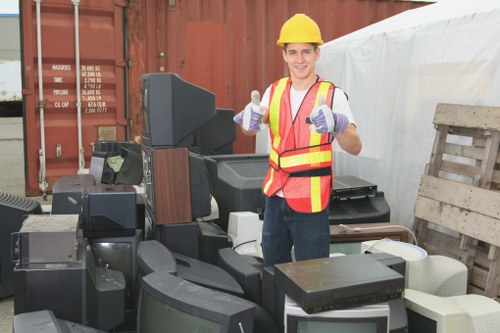 Commercial Waste Bracknell Forest embraces a practical, eco-conscious approach to managing business refuse across the borough. In this overview we describe how the borough promotes an eco-friendly waste disposal area ethos while supporting a thriving sustainable rubbish area for local enterprises. Businesses are encouraged to align with the borough’s separation policies—clear kerbside segregation of food, glass, paper, cans and plastics—so that commercial loads enter the correct processing streams and contamination rates fall.
The borough aims for an ambitious recycling percentage target: 65% commercial recycling rate by 2030 across mixed commercial streams, reuse programmes and targeted diversion from landfill. This target is part of a wider plan to reduce greenhouse gas emissions from waste handling and to expand reuse opportunities. Achieving this goal means systematic improvements in segregation at source, increased capture of organic waste for anaerobic digestion, and boosting cardboard and mixed dry recycling capture from offices, retail and light industrial units.
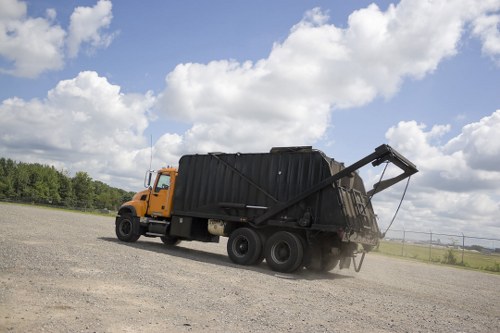 Local transfer stations play a central role in delivering efficient, low-impact operations. The council and its partners use nearby transfer facilities to consolidate loads, separate co-mingled materials, and route recyclables to regional processors. These transfer stations act as hubs for both the commercial and Bracknell Forest commercial waste streams, enabling economies of scale that reduce vehicle mileage and the carbon footprint of each tonne processed. The borough’s approach to waste separation—encouraging front-of-house segregation and separate bins for food waste where feasible—supports higher quality recycling at the transfer station level.
Charity Partnerships, Reuse and Sustainable Rubbish Area Initiatives
Partnerships with charities and community organisations are a cornerstone of a circular approach to commercial waste. Local charities accept salvaged items such as office furniture, surplus stock, textiles and gently used IT equipment, diverting viable goods from disposal and giving items a second life. The borough fosters formal relationships between businesses and reuse charities so that donation routes are reliable, traceable and safe. In practice, these collaborations reduce waste tonnage while delivering social value for the community.
 To operationalise reuse and donation activities, the borough promotes a toolkit of actions for businesses:
- Inventory audits to identify reusable assets before collection.
- Scheduled charity collections or drop-off windows at transfer stations.
- Clear labelling and segregation for reusable textiles, furniture and electronics.
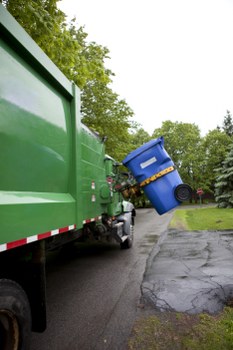
Low-carbon delivery and collection are essential to the low-impact operation of any commercial waste service. The borough is supporting a transition to low-carbon vans and electric collection vehicles for short-haul commercial rounds, combined with route optimisation software to cut miles and idling time. Fleet decarbonisation is complemented by training for drivers on eco-driving techniques, ensuring that emissions are reduced not only at the point of fuel use but across the lifecycle of collection services.
Practical Steps for Businesses and Commercial Waste Services in Bracknell Forest
Businesses can take practical steps to support an eco-friendly waste disposal area approach: improve on-site segregation with clearly marked containers, schedule regular collections to avoid overfill, and partner with reuse charities to keep valuables in circulation. The borough’s commercial waste guidance encourages businesses to appoint a waste champion, use standardised signage, and participate in local exchange networks where surplus materials are matched to new users rather than disposed of.
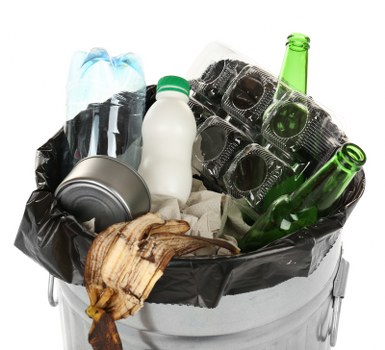 The role of transfer stations, charity partnerships and a cleaner vehicle fleet creates a system where Bracknell Forest commercial waste is treated as a resource. For example, increased food waste collection from cafes and canteens helps feed anaerobic digestion facilities, producing biogas and nutrient-rich digestate for agricultural reuse; cardboard and paper streams from offices are diverted to paper recycling mills; and separated glass, metal and rigid plastics fetch higher-value markets when contamination is low.
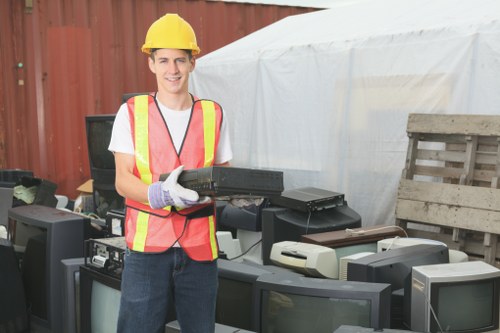 In summary, a resilient, future-ready approach to commercial refuse in the borough relies on three pillars: strong segregation at source, collaboration with reuse charities and community partners, and investment in low-emission collection fleets. Through these coordinated actions Bracknell Forest can build an efficient sustainable rubbish area network that helps businesses meet their environmental responsibilities while contributing to the borough’s recycling percentage target and wider climate goals. Stakeholders across sectors — retail, hospitality, offices and light industry — are encouraged to adopt these practical measures and take part in citywide initiatives designed to make commercial waste management cleaner, greener and more circular.
Key highlights: a 65% recycling percentage target by 2030; strategic use of local transfer stations to lower transport emissions; active partnerships with charities to extend product life; and a shift to low-carbon vans and electric vehicles across collection routes.
