Insurance and Safety for Commercial Waste Bracknell Forest
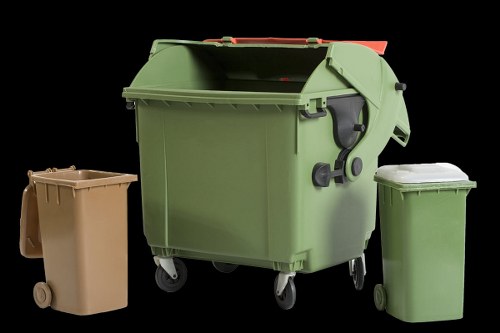 In Bracknell Forest, choosing an insured rubbish company is essential for any business that generates commercial waste. An insured waste removal company provides reassurance that operations are covered should an incident occur on site or during transit. This article explains why public liability coverage, comprehensive staff training, correct personal protective equipment, and a robust risk assessment process are non-negotiable elements of a responsible insured rubbish removal service. We outline practical steps and expectations so facilities managers and business owners can make informed decisions when selecting an insured commercial waste company.
Selecting a reputable insured waste collection service helps reduce legal exposure and protects your business reputation. Public liability insurance is the backbone of that protection: it defends against third-party claims for injury or property damage caused by waste collection activities. When engaging an insured rubbish company Bracknell Forest clients should verify policy limits, claim procedures, and evidence of current insurance certificates. A transparent insurer relationship and clear contractual terms reflect a professional, accountable waste partner.
 Beyond policy documents, an insured waste disposal company must demonstrate proactive safety culture. Insurance only responds after an event; prevention reduces incidents and premium volatility. Look for providers who publish their safety statements and who can detail incident response protocols. An insured rubbish removal service that invests in accident prevention saves clients time, money, and operational disruption.
Public Liability Insurance: What to Expect
Public liability is often the first thing clients ask about when hiring an insured rubbish company. Adequate cover typically includes accidental injury to the public, damage to third-party property, and sometimes environmental clean-up costs. A trustworthy insured waste removal company will have limits that reflect the scale of their operations — larger industrial collections require higher Policy Limits. Ask about aggregate limits, excess amounts, and whether motor fleet insurance and employer's liability are bundled for comprehensive protection.
 Equally important is understanding the claims process. An insured waste collection service should provide a dedicated claims contact, rapid reporting procedures, and clear timelines. Their insurance broker or provider details should be available for verification. This transparency demonstrates that the insured rubbish removal service treats risk management as more than a box-ticking exercise.
Insurance is complemented by operational controls that prevent the need to claim: documented procedures, equipment servicing logs, and regular audits. These are hallmarks of an insured waste disposal company committed to continual improvement.
Staff Training and Competency
The competence of operatives is central to safety. An insured rubbish company invests in comprehensive staff training covering manual handling, hazardous waste segregation, vehicle loading and securing, and emergency spill response. Training programs should be documented and refreshed at regular intervals, with records available upon request. Competency cards, driver CPLs, and on-site briefing logs all demonstrate that the insured waste removal company values skill and compliance.
 Practical training elements include site-specific induction, safe use of lifting equipment, and communication protocols between drivers and site staff. An insured waste collection service will tailor training to the unique risks of commercial environments in Bracknell Forest — from retail premises to industrial estates.
 Regular toolbox talks and supervised shadowing help new operatives internalise safety culture. When an insured commercial waste company provides continuing professional development, clients benefit from reduced incident rates and a workforce that understands both legal obligations and everyday safe practices.
Personal Protective Equipment (PPE) and Safe Workwear
PPE is a visible and practical sign of an organised insured waste collection service. Mandatory items usually include high-visibility clothing, steel-toe boots, gloves appropriate to waste type, and eye protection where necessary. Specialized tasks might require respiratory protection or chemical-resistant suits. An insured rubbish company will issue, maintain, and replace PPE as part of their safety management program, with records indicating compliance with relevant standards.
Proper fit, condition checks, and training on correct usage are as important as issuing the equipment. PPE is a last line of defence and should be layered with engineering controls, safe systems of work, and administrative measures for a resilient approach to risk.
Ensure the insured waste disposal company you appoint uses PPE standards that align with industry and regulatory guidance for commercial waste handling in the UK.
Risk Assessment Process
Every assignment should begin with a formal risk assessment completed by the insured rubbish removal service. The process must identify hazards — such as manual handling risks, traffic interaction, confined space entries, and hazardous materials — and document control measures tailored to specific sites. A well-run insured waste collection service uses a standardised risk matrix, clear action plans, and review schedules.
Risk assessments should be revisited whenever there is a change in scope, a new waste stream, or an incident. They form the basis for emergency planning and are evidence that the insured commercial waste company is systematically managing risk on behalf of its clients.
Key elements to expect from a risk assessment:
- Hazard identification — what can cause harm
- Risk evaluation — likelihood and severity
- Control measures — elimination, substitution, engineering, administrative, PPE
- Review dates and responsible persons
Conclusion: Choosing an Insured Partner
When you select an insured rubbish company in Bracknell Forest, insist on documented public liability insurance, demonstrable staff training, robust PPE programs, and a clear risk assessment process. These elements reduce liability, protect personnel, and ensure continuity of service. A truly professional insured waste removal company will welcome scrutiny and provide the evidence you need to contract with confidence.
By prioritising these criteria, businesses ensure they work with an insured waste collection service that not only moves waste, but manages risk responsibly and sustainably across commercial operations.
Investing time to confirm insurance and safety practices today prevents costly incidents tomorrow—choose an insured commercial waste company that makes safety and compliance foundational to its service.
